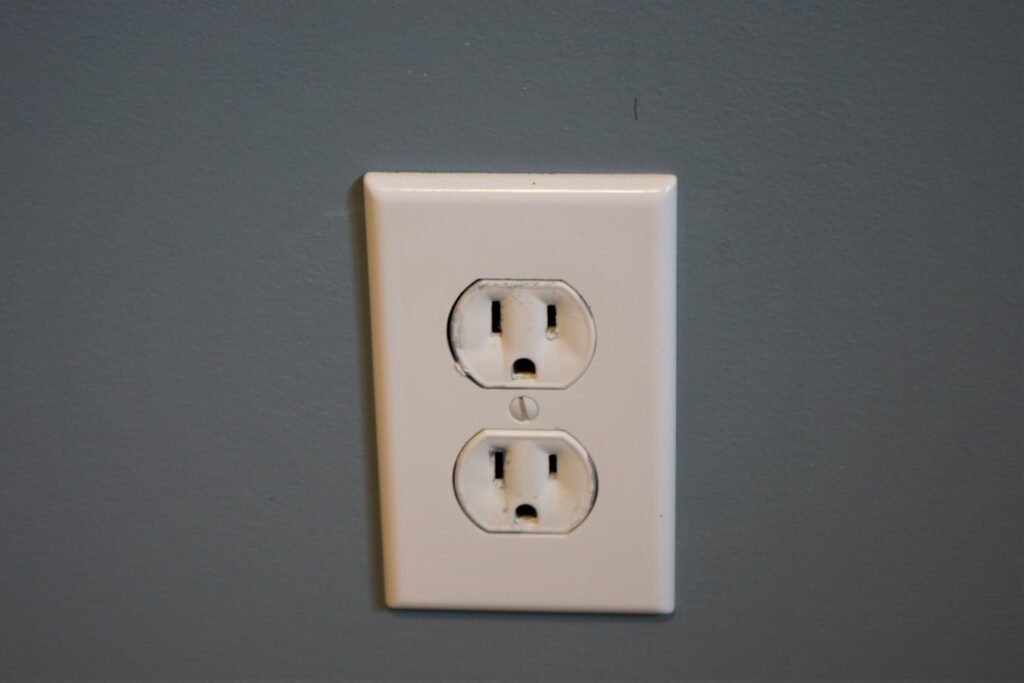
There’s a particular kind of frustration that comes with plugging in a lamp and watching it flicker, or pressing a charger into an outlet and feeling it slide right back out. I’ve been there more times than I can count in our Connecticut home. Old outlets wear out. The internal contacts that grip your plugs get loose over time, especially in a house that’s seen a few decades of New England winters and summers. When that starts happening, you’ve got two choices: call an electrician and pay $100 to $200 for a job that takes fifteen minutes, or spend about $4 on a new outlet and do it yourself on a Saturday morning.
I’ll take the Saturday morning option every time — especially when one of my boys is standing next to me learning something real. This past spring, my 15-year-old helped me swap out three worn outlets in our living room. By the third one, he was doing the work and I was just watching. That’s a skill he’ll carry for the rest of his life, and it cost us less than the price of a fast food lunch.
This guide will walk you through replacing a standard duplex outlet safely, correctly, and cleanly — no electrician required. As always, we’re going to do this the right way, not the fast way.
Know When an Outlet Needs to Be Replaced
Not every outlet problem requires a full replacement, but there are clear signs that tell you the outlet itself is done. Here’s what to look for:
- Plugs fall out or feel loose — the internal contacts are worn and can no longer grip a plug securely
- Visible scorch marks or discoloration around the outlet face — this is a fire safety concern and needs immediate attention
- The outlet is cracked or physically damaged — even small cracks are a problem
- Sparking when you plug something in — occasional tiny sparks are normal, but consistent or large sparks are not
- The outlet is completely dead — before replacing it, though, check whether it’s a GFCI-controlled circuit first (more on that in a moment)
- The outlet is ungrounded (two-prong) in a location where you need three-prong access
One thing worth noting before you do anything else: if you have a dead outlet, it may not need replacing at all. It might simply be a tripped GFCI outlet somewhere else on the circuit. I wrote a full guide on how to find and reset a tripped GFCI outlet that’s worth checking first — it can save you a lot of unnecessary work.
Understanding What You’re Working With
Most homes in Connecticut — particularly those built before 1990 — have standard 15-amp, 125-volt duplex outlets. That’s the ordinary two-socket outlet you see in almost every room. Newer homes or renovated kitchens and bathrooms may have 20-amp outlets (you can tell by a small horizontal slot on one side of the outlet face). This guide covers replacing a standard 15-amp outlet, which is by far the most common job you’ll encounter.
You’ll also want to know whether your outlet is grounded or ungrounded. A grounded outlet has three holes — two vertical slots and a round hole below them. An ungrounded outlet only has two slots. If you have two-prong outlets, you can replace them with three-prong grounded outlets only if the box is actually grounded — we’ll check that during the process. If it’s not grounded, you have other options (like installing a GFCI outlet and labeling it correctly), but that’s a slightly more involved conversation. For this guide, we’re focusing on replacing a like-for-like three-prong grounded outlet.
The U.S. Consumer Product Safety Commission estimates that home electrical problems cause roughly 51,000 fires each year. Most of those aren’t from DIY repairs done carefully — they’re from ignored problems and deferred maintenance. Replacing a worn outlet promptly and properly is exactly the kind of responsible homeownership that keeps your family safe.
What You’ll Need
- A new 15-amp, 125-volt duplex outlet (Leviton and Hubbell are both solid brands — avoid the cheapest no-name options)
- A matching outlet cover plate if yours is cracked or discolored
- Flathead and Phillips screwdrivers
- A non-contact voltage tester (non-negotiable — this is your safety tool)
- Needle-nose pliers
- Wire stripper (in case you need to trim or re-strip a wire end)
- Electrical tape
- A flashlight or headlamp
The total cost for the outlet and cover plate will typically run you $3 to $8. A non-contact voltage tester, if you don’t already own one, runs about $15 to $20 and is one of the most useful tools you’ll ever buy for home electrical work. It’s also a tool I’d recommend to anyone building out a basic home toolkit from scratch.
Step 1 — Turn Off the Power (And Verify It’s Off)
Go to your electrical panel and find the breaker that controls the outlet you’re replacing. If your panel is labeled well, this is easy. If it’s not labeled — and in a lot of older Connecticut homes it isn’t — you’ll need to plug a lamp or phone charger into the outlet and flip breakers until it goes off. Label that breaker when you find it. This is a gift to your future self.
Once the breaker is off, go back to the outlet and use your non-contact voltage tester. Hold it near each slot of the outlet. If the tester beeps or lights up, the power is still on — go back and find the right breaker. Do not proceed until the tester confirms no voltage is present. I make a point of showing my boys this step every single time we do any electrical work. The tester isn’t a formality. It’s the step that keeps you safe.
Step 2 — Remove the Old Outlet
Unscrew the cover plate and set it aside. You’ll see two screws holding the outlet to the electrical box — one at the top, one at the bottom. Remove those screws and gently pull the outlet straight out from the box. It won’t come out far — just enough to access the wires behind it. Give yourself about four to six inches of working room.
Before disconnecting anything, take a photo with your phone. This is something I always do, and it’s saved me from a lot of second-guessing. You want a clear reference for where each wire was connected — which screw was black, which was white, where the bare copper ground wire was attached.
Now look at how the wires are connected. They’re either wrapped around the side screws (the correct method) or inserted into holes in the back of the outlet called “backstab” connections. If they’re backstabbed, this is part of your problem. Backstab connections are notorious for loosening over time and are a leading cause of outlet failure in older homes. We’re going to do this properly with screw terminals on the new outlet.
Loosen the screws or release the backstab connections (insert a small flathead into the release slot) and carefully remove each wire. Keep them separated and don’t let them touch each other or disappear back into the wall.
Step 3 — Inspect the Wires
Take a close look at the wire ends before you connect anything new. You’re looking for:
- Clean, shiny copper with about 3/4 inch of insulation stripped back
- No fraying, corrosion, or burn marks on the wire itself
- No insulation that’s cracked, brittle, or melted
If a wire end looks rough or corroded, use your wire stripper to cut back a quarter inch and expose fresh copper. If the insulation looks damaged beyond the end of the wire — cracked or brittle along the length — that’s a sign of a bigger issue and a good moment to call a licensed electrician rather than press forward.
In most Connecticut homes built after the mid-1960s, you’ll have three wires: black (hot), white (neutral), and bare copper or green (ground). Homes with aluminum wiring — common in some construction from the late 1960s through the 1970s — require special attention and CO/ALR-rated outlets. If your wires are silver-colored rather than copper, stop and consult an electrician. Aluminum wiring is a known fire hazard when handled incorrectly.
Step 4 — Connect the New Outlet
Here’s the wiring logic, and it’s worth understanding rather than just memorizing:
- The black wire (hot) connects to the brass-colored screw on the side of the outlet
- The white wire (neutral) connects to the silver-colored screw on the opposite side
- The bare copper or green wire (ground) connects to the green screw at the bottom
A simple memory trick I taught my 15-year-old: black to brass. If you remember that one pairing, the rest falls into place.
Use needle-nose pliers to form a small clockwise hook at the end of each wire. Hook each wire clockwise around its screw — clockwise is important because it means tightening the screw will pull the wire in rather than push it out. Tighten each screw firmly. The wire should be snug, not dangling, not spinning. Give each one a gentle tug after tightening to confirm it’s secure.
Step 5 — Reassemble and Test
Gently fold the wires back into the box — work in a back-and-forth accordion fold rather than crumpling them — and press the outlet into place. Make sure it sits level (most outlets have a small adjustment range in the mounting slots). Secure it with the two mounting screws, then attach the cover plate.
Before restoring power, do a final visual check. No bare wire is exposed outside a screw terminal. No wires are pinched between the outlet and the box. Cover plate sits flush. Everything looks clean.
Go back to the panel and restore power. Return to the outlet and use your voltage tester one more time — both slots should now show voltage present. Then plug in a lamp or phone charger and confirm the outlet is working. If you have a simple outlet tester (a three-light plug-in device that runs about $6), plug it in and confirm the wiring reads correctly. It’s a small investment that gives real peace of mind.
A Few Connecticut-Specific Things to Keep in Mind
Connecticut has some older housing stock, and if you live in a home built before 1975, you may encounter two-wire systems without a ground, knob-and-tube wiring, or aluminum wiring — all of which change the equation. The Connecticut Department of Consumer Protection requires permits for most significant electrical work, though replacing a like-for-like outlet in kind is generally considered minor maintenance. When in doubt, check with your local building department — it’s always worth a quick call.
Humidity is also a real factor here. Connecticut summers bring genuine moisture into older homes, and outlets in basements or on exterior walls can show corrosion faster than you’d expect. If you’re down in the basement and notice outlets that feel warm to the touch, trip breakers frequently, or show any discoloration, don’t ignore it. That’s a conversation for a licensed electrician.
If you’ve been tackling electrical work around the house, you might also find it useful to review how to replace a light switch yourself — many of the same principles apply, and it’s a natural next step once you’re comfortable with outlet replacement.
Teaching the Next Generation While the Work Gets Done
My boys know that when Dad pulls out the voltage tester, there’s something worth paying attention to. The 6-year-old mostly just watches and hands me things, which he loves. My 10-year-old knows what the black wire does and why. My 12-year-old can identify all three wires and explain the difference between hot and neutral. And my 15-year-old — like I said — did three of these last spring nearly start to finish.
I’m not trying to turn them into electricians. I’m trying to make sure they’re never helpless in their own homes. Proverbs talks a lot about the value of skill and diligence, and I think there’s something genuinely meaningful about teaching a son that he doesn’t have to be at the mercy of every problem life throws at a house. You learn the principle, you do the work carefully, you trust the process — and then the lamp turns on.
That’s a lesson that goes well beyond electrical work.
