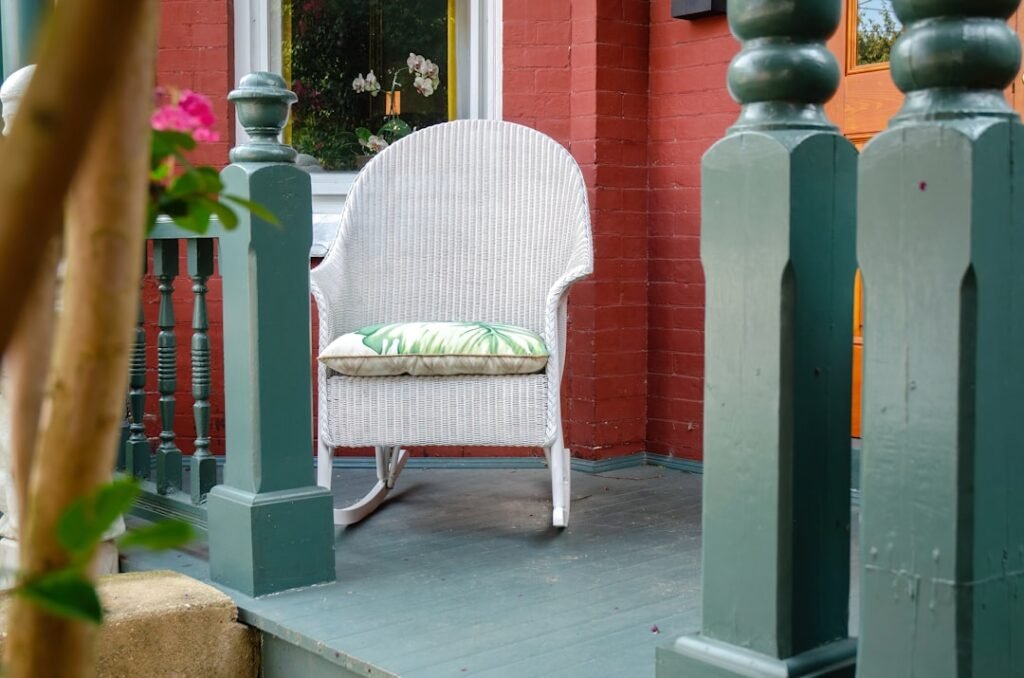
It started the way a lot of home repair projects start around here — with a kid leaning on something he probably shouldn’t have. My 10-year-old was hanging off one of our front porch posts last spring, and when I went over to redirect that energy toward something more productive, I grabbed the post myself and felt it give. Not a little. A lot. I pushed on it at the base and my thumb went right through the wood.
Rot. Classic Connecticut rot.
If you own a home in this state — especially anything built before 1990 — you know what I’m talking about. We get wet springs, humid summers, and freeze-thaw cycles that are absolutely brutal on any wood that’s sitting close to the ground and trapping moisture. Porch posts are right in the crosshairs. They sit at the base of a structure, collect rain splash, and if they weren’t properly primed, painted, and flashed when they were installed, they start rotting from the bottom up. By the time you notice it on the outside, the interior of that post is often already compromised.
The good news? Replacing a standard decorative porch post is a genuine DIY job. You don’t need a contractor. You don’t need special equipment. You need a Saturday morning, a helper (my 15-year-old earned his keep that day), and a willingness to do it right. I’m going to walk you through exactly how we did it — safely, correctly, and for well under $100.
First, Understand What Your Post Is Actually Doing
Before you touch anything, you need to figure out whether your porch post is structural or decorative. This is the most important distinction in this entire project, and getting it wrong could be dangerous.
A structural post is actually carrying load — it’s holding up the porch roof beam, and if you remove it without temporary support, things can shift, sag, or worse. A decorative post sits alongside or in front of the real structural support and is mostly there for appearance. Many older Connecticut porches were built with both — a structural 4×4 hidden inside or behind a larger decorative column.
How do you tell the difference? Look up. Trace where the post connects at the top. Is it sitting directly under a beam with a post cap? Is there visible weight transfer? Try to see if the post is anchored to a beam above with hardware. If you’re genuinely unsure, do not proceed until you know. This is one of those cases where calling a structural engineer or experienced contractor for a quick consultation is money well spent. Your family is on that porch.
For most standard decorative porch columns on a covered entry — the kind that sit between railings and add curb appeal — you’re dealing with a decorative load, and this guide is written for that application.
What You’ll Need
- Temporary support post or adjustable jack post
- Reciprocating saw or hand saw
- Pry bar and hammer
- Drill/driver with bits
- Level (4-foot preferred)
- Tape measure
- Safety glasses and work gloves
- Replacement post (wood, cellular PVC, or fiberglass — more on this below)
- Post base and post cap hardware (galvanized or stainless)
- Exterior construction adhesive
- Exterior primer and paint
- Galvanized screws or nails
- Flashing tape or butyl tape (for the base)
Total materials cost for a standard 8-foot decorative porch post replacement typically runs $60 to $120 depending on what you choose for the post material. Compare that to a contractor visit starting at $250 and often running much higher, and the math makes itself.
Choosing the Right Replacement Post
This is where you get to make a smart decision that your future self will thank you for. You have three main options:
Pressure-treated wood is the least expensive and works fine if it’s properly primed, painted, and detailed at the base so water can’t pool. The problem is that most rot happens because someone cut corners on that finishing work the first time. If you go with PT wood, commit to doing it right.
Cellular PVC posts are what I went with, and I’d recommend them to anyone replacing a rotted wood post in Connecticut. They won’t rot. They won’t absorb moisture. They paint beautifully and look identical to wood once they’re up. They cost more upfront — usually $40 to $70 for a standard column — but you’re buying yourself decades of maintenance-free service. In a climate like ours, that’s not an upgrade, it’s common sense.
Fiberglass columns are another excellent option, especially for larger decorative columns with fluted details. They’re durable, rot-proof, and come in sizes that match traditional architectural styles common in older Connecticut homes.
Whatever you choose, measure your existing post carefully before you buy: height, width, and whether the top and bottom are flat (for post cap and base hardware) or tapered.
Setting Up Temporary Support
If your post carries any load at all — even partial — you need to support the beam above before you remove the post. I used an adjustable jack post set on a piece of scrap plywood (to distribute the load on the porch deck) and ran it up snug against the beam. Don’t crank it tight enough to lift — just snug. You’re supporting, not jacking.
My 15-year-old held the level against the jack post while I adjusted it. Good kid. He’s at the age where he genuinely understands why the work matters, not just how to do it. There’s something satisfying about watching that click happen.
Removing the Old Post
With your temporary support in place, it’s time to take out the damaged post. Here’s how to do it cleanly:
- Start by removing any trim pieces, post caps, or base molding around the post. Use a pry bar gently — you may be able to reuse some of this trim.
- Check for nails or screws fastening the post at the top and bottom. Remove them or back them out.
- On a rotted post, the bottom often crumbles away easily. The top connection is usually the tighter one. A reciprocating saw can cut through stubborn nails or fasteners if needed.
- Once the post is free, wiggle it loose and remove it. Have your helper manage the weight — even a rotted post can be unwieldy.
- Clean up the post base area. If there’s a metal post base hardware piece, inspect it for rust. If it’s badly corroded, replace it now while you have the access.
Take a close look at the beam above and the deck below where the post sat. Probe the wood with a screwdriver. If you find soft spots or additional rot, address those before installing the new post. This is also a good moment to let things dry out if there’s any moisture present. Don’t rush into the installation.
Preparing the Base and Measuring for the New Post
Rot almost always starts at the base because water pools there. The way to prevent that from happening again is to keep the end grain of the post off the deck surface. A proper post base connector — the kind that holds the post up off the decking by a half inch or so — is your best friend here. These are available at any home center and are designed exactly for this purpose.
Install the post base hardware centered over the original anchor point. Use a hammer drill if you’re going into concrete. Make sure it’s level and square.
Now measure the height you need. Measure from the top of the post base to the underside of the beam or post cap location above. Take that measurement twice. Cut your new post to length, accounting for any post cap hardware thickness at the top.
If you’re using a cellular PVC post, score it with a utility knife and snap it, or use a fine-tooth saw blade. Cut it square — use a speed square to mark your cut line around all four sides before you cut.
Installing the New Post
Before the post goes up, prime and paint the cut ends. This is non-negotiable on wood posts. On cellular PVC it’s less critical but still good practice. Apply exterior primer to any raw end grain and let it dry.
Now lift the post into place. My 15-year-old held it while I checked plumb on two faces with my level. Once it was perfectly vertical, I secured it to the post base hardware at the bottom with the appropriate screws (use the fasteners specified by the hardware manufacturer — usually structural screws or galvanized nails).
At the top, secure the post to the beam or post cap hardware. Make sure your connections are tight and that the post is fully bearing on both ends.
Apply a bead of flashing tape or butyl tape around the base where the post meets the post base hardware. This is an extra layer of moisture protection that most people skip and then regret later.
Finishing: Trim, Caulk, and Paint
Reinstall or replace any base trim and cap trim around the post. If the old trim was wood and showed any softness, replace it with PVC trim boards. They cost a few dollars more and will outlast wood in this application by many years.
Caulk all seams where trim meets the post and where the post base meets the deck with a good exterior paintable caulk. This is the same principle I wrote about in my guide on caulking like a pro — sealing the gaps before water finds them is always cheaper than dealing with the damage after.
Now prime and paint. Two coats of a quality exterior paint over a good primer will protect the post and tie it into the rest of your porch. If you want a refresher on getting a paint finish that actually lasts, check out my guide on painting the right way — most of those principles apply outdoors too.
Once the paint is dry, remove your temporary support post. Step back. Look at your porch. That’s solid work.
While You’re At It: Check the Rest of Your Porch
Any time you open up a porch post repair, you have a natural opportunity to inspect everything else nearby. Check your entry door threshold for wear and water damage. Look at the siding near the porch corners — if you’ve dealt with rot in one area, moisture may have reached neighboring materials too. If you have vinyl siding, my guide on replacing a damaged vinyl siding panel walks through exactly what to look for and how to fix it yourself.
For Connecticut homeowners, the Connecticut DEEP recommends regular exterior home inspections each spring specifically because of how our climate cycles between wet and frozen conditions. What looks fine in October can reveal significant damage by April. A 20-minute walk around your home each spring with a probing screwdriver is one of the highest-value maintenance habits you can build.
It’s also worth noting — if your home was built before 1978, check the EPA’s Renovation, Repair and Painting guidelines before disturbing any painted surfaces. Lead paint is a real concern in older Connecticut homes, and it’s important to know the rules and take the right precautions, especially when kids are nearby.
What I Told My Son When We Finished
When the last coat of paint dried and we stepped back to look at what we’d done, my 15-year-old said, “It looks like it was always like that.” I told him that’s exactly what you’re going for.
There’s a lesson in that beyond home repair. Good work doesn’t always announce itself. It just holds. It just lasts. It serves the people who depend on it quietly and faithfully. I don’t think that’s a bad thing to build into a young man alongside teaching him how to swing a pry bar.
If your porch post is showing signs of rot — or if you just grabbed one and felt that sickening give — don’t put it off. The post won’t heal itself, and the damage will spread. A Saturday morning and less than $100 in materials is all it takes to fix it right, make it better than it was, and do it in a way that lasts another generation. That’s a good morning’s work by any measure.
