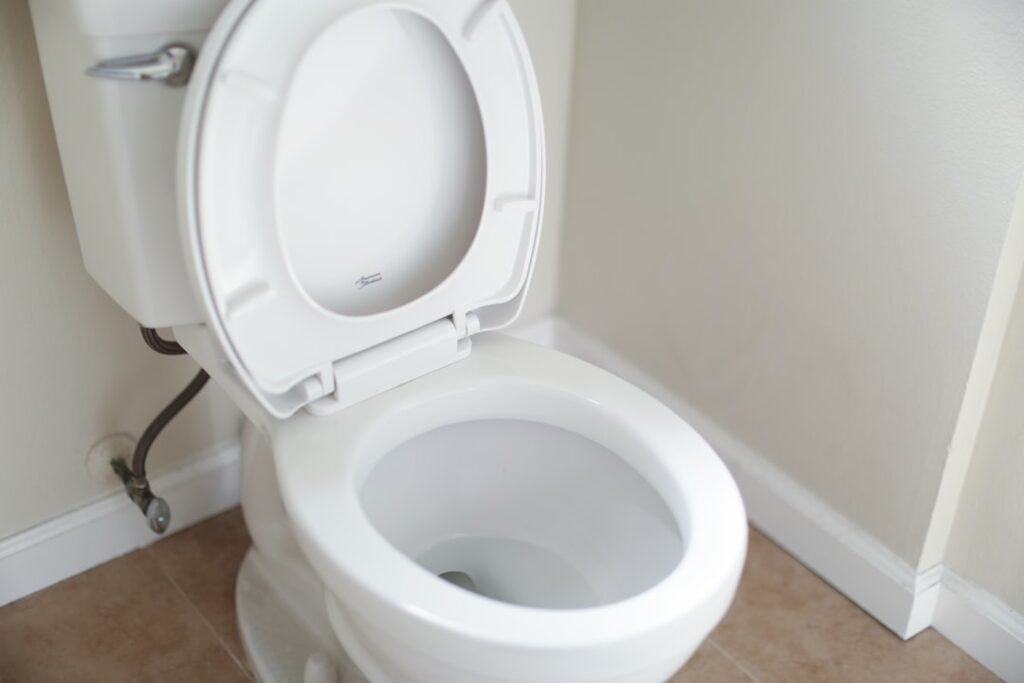
There’s a sound every Connecticut homeowner knows — that quiet, almost imperceptible hiss coming from the bathroom at two in the morning. You’re not imagining it. Your toilet is running, and if you haven’t touched it, it’s probably the flapper. That small rubber disc at the bottom of your tank is one of the hardest-working, least-appreciated parts in your entire home, and when it goes, it can silently drain hundreds of gallons of water every single day right down your drain.
I discovered this the hard way a few years back when our water bill jumped almost thirty dollars in a single month. No pipe burst, no dripping faucet, no obvious culprit. Just a worn flapper that had lost its seal after years of chlorinated Connecticut water slowly degrading the rubber. A quick dye test confirmed it — I dropped a few drops of food coloring in the tank, didn’t flush, and watched blue dye creep into the bowl. Proof enough. The whole fix cost me under five dollars and took about fifteen minutes. My 12-year-old did most of the work himself.
That’s what this guide is about. Not just the repair — but understanding why it matters, how to do it right the first time, and why this is one of the best first plumbing lessons you can give a kid who’s old enough to turn off a water valve.
Why Toilet Flappers Fail — and Why Connecticut Homes Are Especially Vulnerable
A toilet flapper is a rubber or silicone seal that sits over the drain opening at the bottom of your toilet tank. Every time you flush, it lifts, lets water rush into the bowl, then drops back down to seal the tank so it can refill. It does this thousands of times a year. Over time, the rubber warps, hardens, or gets coated with mineral deposits — and it stops sealing properly.
Connecticut water quality varies widely by town and water source, but many of us deal with harder water and higher chlorine levels that are particularly rough on rubber components. If your home was built before the 1990s — and a lot of Connecticut homes were — you may also have an older fill valve setup that puts more wear on the flapper with each flush cycle. If you’ve already dealt with a faulty toilet fill valve or a running toilet, you already know how much water — and money — a small toilet problem can waste.
According to the EPA’s WaterSense program, a leaking toilet can waste up to 200 gallons of water per day. In a household of six like ours, that kind of waste adds up fast — both on the water bill and in terms of the stewardship we’re called to practice over what God’s given us.
How to Know Your Flapper Is the Problem
Before you buy anything, do the dye test. It takes two minutes and costs nothing if you have food coloring in the kitchen.
- Remove the toilet tank lid and set it gently on a towel — these crack easily.
- Drop five to ten drops of dark food coloring (blue or red works best) into the tank water.
- Do not flush. Wait ten minutes.
- Look into the toilet bowl. If you see colored water in the bowl without flushing, your flapper is leaking.
You can also watch the tank itself. If the water level is sitting below the overflow tube and the toilet keeps cycling on briefly every few minutes — what plumbers call a “phantom flush” — that’s a flapper leak. The tank slowly drains, the fill valve kicks on to top it off, and the cycle repeats. It’s quiet enough to ignore, but expensive enough to fix today.
What You’ll Need
This is one of the simplest repairs in home ownership. Here’s everything you need:
- Replacement flapper — universal flappers like the Fluidmaster 502 work on most toilets, but bring the old one to the hardware store if you’re unsure
- Adjustable pliers (sometimes needed, often not)
- Old towel or rag
- Rubber gloves (optional, but nice)
- Small bucket (helpful but not required)
Total cost: $3 to $12 depending on flapper brand. That’s it. No special tools, no permits, no professional required. If you haven’t already put together a basic homeowner toolkit, check out my guide to building a DIY starter tool kit from scratch — it’ll serve you well for every repair on this blog and then some.
Step-by-Step: How to Replace a Toilet Flapper
I walked my 12-year-old through every step of this. He’s at the perfect age — old enough to understand what he’s doing, young enough to still think it’s kind of exciting to dig around in a toilet tank. Here’s exactly how we did it.
Step 1: Turn Off the Water Supply
Reach behind the toilet near the floor and find the oval or football-shaped shut-off valve on the supply line. Turn it clockwise until it stops. If the valve hasn’t been turned in years, it may be stiff — that’s normal. Turn it slowly and firmly. Once it’s closed, flush the toilet once to empty most of the water from the tank. You don’t need to get every drop out, but the lower the water level, the less mess you deal with.
This is a great moment to point out to a curious kid why every plumbing fixture in the house has its own shut-off. It means you can fix one thing without killing water to the whole house. My 12-year-old immediately asked where all the other shut-offs were. Good instinct. We did a quick tour of the house after we finished.
Step 2: Remove the Old Flapper
With the tank lid off and the water mostly drained, look at the bottom of the tank. You’ll see the flapper seated over the flush valve drain opening — a large hole in the center of the tank floor. The flapper is usually connected in one of two ways:
- Ear-style attachment — two small rubber tabs loop over pegs on either side of the overflow tube. Pinch and slide them off.
- Ring-style attachment — the flapper has a ring that slides down over the overflow tube entirely. You’ll need to unhook the chain from the flush handle arm first, then slide the entire ring up and off the tube.
Disconnect the chain from the flush handle arm, then remove the flapper completely. Take a look at it. Chances are the rubber is stiff, warped, or has a visible mineral crust along the seating edge. This is the culprit.
Step 3: Clean the Flush Valve Seat
Before you put the new flapper on, run your finger around the flush valve seat — the plastic ring the flapper seals against. If you feel grit, mineral buildup, or rough spots, wipe it clean with a damp rag. A flapper is only as good as the surface it seals against. Skipping this step is why some people replace the flapper and still have a leak.
If the seat feels cracked or deeply grooved, you may have a more significant fill valve or flush valve issue — but that’s rare. In most cases, a simple wipe-down is all it takes.
Step 4: Install the New Flapper
Match your new flapper’s attachment style to what you removed. If you bought a universal flapper, it typically comes with both ear tabs and a ring — you’ll snap off whichever style you don’t need.
- Slide or snap the flapper into place on the overflow tube.
- Press the flapper down firmly onto the flush valve seat and make sure it seats evenly all the way around.
- Attach the chain to the flush handle arm. You want just enough slack that the flapper can close fully, but not so much chain that it gets caught under the flapper and prevents a good seal. A good rule of thumb is about half an inch of slack.
My 12-year-old struggled briefly with the chain length — he had it too tight at first, which actually causes the same symptom as a bad flapper (constant running). We adjusted it together, talked about why it matters, and it clicked immediately. Sometimes the best teaching happens when something goes slightly wrong before it goes right.
Step 5: Turn the Water Back On and Test
Slowly turn the shut-off valve counterclockwise to restore water flow. Let the tank fill completely. Flush once and watch the flapper lift, drop, and seal cleanly. The fill valve should run, stop, and stay quiet. No hissing. No phantom cycling.
Do the dye test one more time if you want to be absolutely sure. Drop in the food coloring, wait ten minutes, and check the bowl. If the water in the bowl stays clear, you’re done. Clean seal, no leak, job finished.
Replace the tank lid carefully and give yourself a moment to appreciate how simple and inexpensive that was.
When to Replace More Than Just the Flapper
Most of the time, the flapper alone solves the problem. But while you have the tank lid off, do a quick visual inspection of the other components:
- Fill valve — if it looks cracked, corroded, or you’ve had repeated running toilet problems, it may be time to replace it. I’ve covered that repair in full detail in my guide to replacing a toilet fill valve.
- Flush handle and arm — if the arm is bent or corroded, a new handle assembly costs about eight dollars and swaps in minutes.
- Supply line — if the braided metal line running from the wall to the tank looks rusty or has any moisture around the connections, replace it while you’re already here. A new supply line runs three to six dollars and takes five minutes.
These small preventive checks now can save you a wet floor and an emergency repair later — and Connecticut winters aren’t particularly forgiving when plumbing problems compound. If you’ve ever dealt with water intrusion in your home, you already know how quickly small leaks become big problems. My post on fixing a leaky basement goes deep on that subject if you need it.
The Teaching Moment Worth More Than the Repair
I’ll be honest — the water savings and the five-dollar fix matter. But what I remember most from that afternoon isn’t the money saved. It’s my 12-year-old standing in the bathroom doorway, wiping his hands on a shop rag and saying, “That’s it? That’s all it was?”
Yes. That’s all it was. And now he knows it. He knows where the shut-off valve is, how a toilet tank works, and what to do the next time that hissing sound starts at two in the morning. That’s a lesson worth far more than the two dollars I spent on a flapper. I genuinely believe that teaching kids to be capable, self-reliant people is one of the most important things a father can do — and a bathroom repair on a Saturday morning is as good a classroom as any.
If your kids are a little younger, even a 6-year-old can hand you tools and watch. My youngest mostly asked questions and informed me that the water looked “gross” — which it didn’t, but his commentary was appreciated. The point is, they’re watching. They’re absorbing. Every time you roll up your sleeves and fix something instead of calling someone, you’re showing them what capable looks like.
Final Thoughts
A worn toilet flapper is one of the most common and most overlooked causes of high water bills in Connecticut homes. The fix is cheap, fast, and genuinely beginner-friendly — no special skills, no special tools, and no reason to wait. If your toilet hisses, cycles on its own, or fails the dye test, go pick up a five-dollar flapper at your local hardware store this weekend and knock this out before it costs you another month of inflated water bills.
And if you’ve got a kid old enough to turn a valve, bring them along. There’s a good chance they’ll remember this one.
