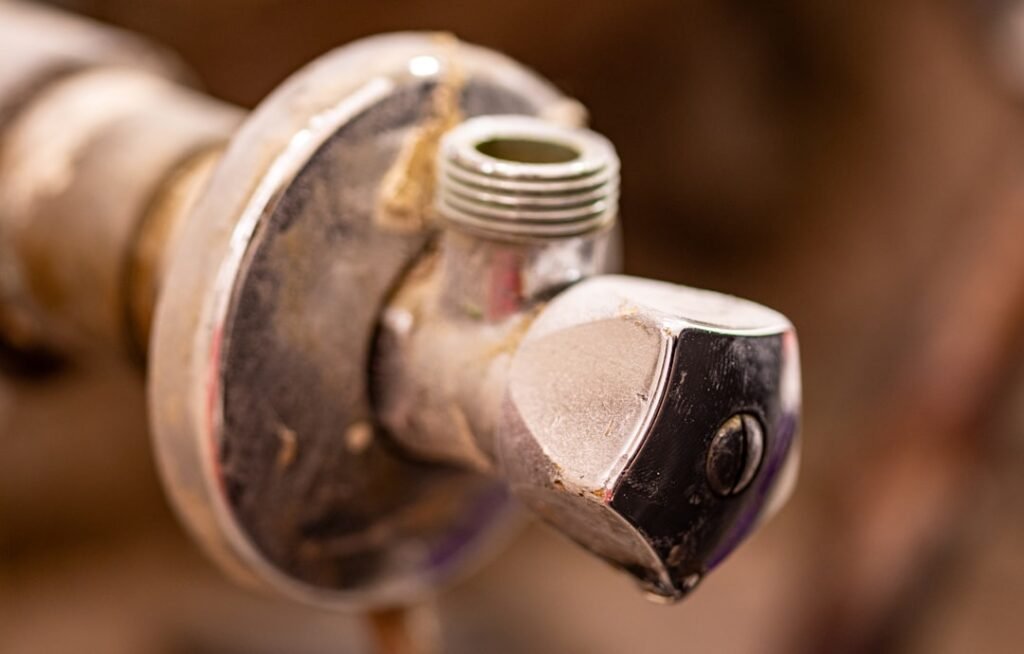
It started quietly — that soft, barely-there hissing sound coming from the hall bathroom late at night. At first I figured it was nothing. A few weeks later, our water bill came in noticeably higher than usual, and I finally pulled the lid off the tank to take a look. The fill valve was shot. Water was trickling past it constantly, running into the overflow tube and straight down the drain — twenty-four hours a day, seven days a week, costing us money we didn’t need to spend.
This is one of the most common — and most overlooked — toilet problems in homes across Connecticut. And the good news? A fill valve replacement is one of the most beginner-friendly plumbing repairs you can do. No soldering, no special licenses, no calling a plumber and waiting three days for a $200 visit. My 12-year-old stood right next to me the whole time and handled half the steps himself. Total cost: under $15. Total time: about 30 minutes.
If your toilet is hissing, running intermittently, filling slowly, or your water bill is creeping up without explanation, this guide is for you.
Understanding What a Fill Valve Does
The fill valve is the tall plastic or brass assembly on the left side of your toilet tank. After every flush, it opens to let water back into the tank, then shuts off once the water reaches the correct level. A float — either a ball float on an arm or a cylinder float that rides up and down on the valve shaft — tells the valve when to stop filling.
Over time, fill valves wear out. The internal seals crack, the float mechanism gets waterlogged or stuck, and the valve can’t fully shut off anymore. The result is a toilet that never quite stops running, or one that fills so slowly you’re waiting a full minute between flushes. According to the EPA’s WaterSense program, a single leaking toilet can waste more than 200 gallons of water per day. That adds up fast on a Connecticut water bill.
If your toilet is running and you’ve already ruled out the flapper as the culprit, the fill valve is almost certainly your next suspect. This is a completely separate repair from a running toilet caused by a bad flapper — though if you haven’t dealt with that issue yet, our guide to fixing a running toilet covers that ground thoroughly.
What You’ll Need
One of the things I love about this repair is how little it requires. Here’s everything you need to gather before you start:
- Universal fill valve — A Fluidmaster 400A or 400H is the gold standard. You’ll find it at any hardware store for $10–$14. It fits virtually every toilet made in the last 40 years.
- Adjustable pliers or channel-lock pliers
- Sponge and small bucket
- Old towels
- Hacksaw or scissors (for trimming the new valve’s shank if needed)
That’s genuinely it. No plumber’s tape required, no special fittings, no tools you don’t already own. If you’ve built out a basic home tool kit, you have everything you need. If you’re still putting one together, our DIY starter tool kit guide is a great place to start.
Step 1 — Shut Off the Water Supply
Look behind and below your toilet for the shut-off valve — it’s usually a small oval handle or a flat-head screw valve on the wall or floor. Turn it clockwise until it stops. Then flush the toilet to drain as much water out of the tank as possible.
Once the tank is mostly empty, use your sponge to soak up whatever water remains at the bottom. Wring it into the bucket. You want the tank as dry as you can get it — not because moisture will cause problems with the repair, but because it makes everything cleaner and easier to handle. My 12-year-old took charge of the sponge-and-bucket step and felt genuinely useful, which is exactly the point.
Important: If your shut-off valve is stuck or the valve itself is corroded and leaking, stop here and address that first. A stuck shut-off valve is a separate issue — but it’s one you want to know about before you need it in an emergency. If you’ve been putting off checking your supply valves, now is the time.
Step 2 — Disconnect the Water Supply Line
Underneath the toilet tank, you’ll see a water supply line — usually a braided stainless steel or white plastic tube — connecting the shut-off valve to the bottom of the fill valve. Place your bucket underneath it before you loosen anything.
Use your hand to unscrew the supply line from the bottom of the tank. Most of the time this connection is hand-tight, but if it hasn’t been touched in years you may need your pliers. Turn counterclockwise. A little residual water will drip out — that’s normal.
Set the supply line aside where it won’t get stepped on. Inspect it while you have it in hand. If it looks cracked, discolored, or corroded, pick up a replacement at the hardware store when you grab your fill valve. A fresh supply line runs about $5–$8 and eliminates one more potential leak point under your tank.
Step 3 — Remove the Old Fill Valve
Reach under the tank and locate the locknut — the large plastic nut that holds the fill valve in place from the bottom. Turn it counterclockwise to loosen it. In most cases you can do this by hand. If the valve spins inside the tank while you’re trying to loosen the nut, hold the body of the valve steady from inside the tank with your other hand.
Once the locknut is off, lift the old fill valve straight up and out of the tank. Toss it — there’s no repairing a worn-out fill valve, and the new one will outperform it anyway.
While you have the tank open and dry, take a moment to look around. Check the flapper while you’re in there. Look at the overflow tube. Inspect the tank walls for any cracks or calcium buildup. Connecticut water — especially well water — can leave significant mineral deposits over time. If you spot heavy buildup, a little white vinegar on a rag will take care of it before you reassemble everything.
Step 4 — Set the Height on Your New Fill Valve
This is the step that trips up most first-timers, but it’s actually simple. The Fluidmaster 400A (and most universal valves) has an adjustable shank height. You twist the top section to extend or shorten it before installation.
The goal is to have the critical level mark — a line printed on the fill valve’s shank — sitting at least one inch below the top of the overflow tube. This prevents water from siphoning back out of the tank in a backflow situation. The CDC notes that backflow prevention is an important safeguard in home plumbing systems, and this is your built-in protection at the toilet level.
To set the height: hold the top of the valve and twist the bottom counterclockwise to unlock, then pull up or push down to adjust, then twist clockwise to lock it in place. Hold it next to your overflow tube to verify the height before you install it. This takes about 20 seconds once you’ve done it once.
Step 5 — Install the New Fill Valve
Drop the new fill valve into the hole at the bottom of the tank. Make sure the shank passes through the hole cleanly and the rubber gasket on the bottom of the valve is seated flat against the inside bottom of the tank.
From underneath the tank, thread the new locknut onto the valve shank by hand — clockwise this time. Tighten it firmly by hand, then give it a quarter-turn more with your pliers. Do not overtighten. The tank is porcelain. Too much force will crack it, and that’s a much more expensive problem than a worn fill valve. Hand-tight plus a quarter turn is genuinely all you need.
Reconnect your supply line to the bottom of the fill valve shank. Hand-tighten only — the rubber washer inside the fitting creates the seal, not the force of the connection.
Step 6 — Connect the Refill Tube
Your new fill valve comes with a small flexible refill tube and a clip that attaches to the top of the overflow tube. Connect one end of the refill tube to the small nozzle on top of the fill valve, and clip the other end to the inside of the overflow tube — but do not push the tube down into the overflow tube. If it hangs inside the tube, it creates a siphon that will cause the tank to drain slowly and the toilet to run. The clip holds it at the rim. That detail matters.
Step 7 — Turn the Water Back On and Adjust
Slowly open your shut-off valve counterclockwise. Let the tank fill. Watch for any leaks at the base of the fill valve and at the supply line connection. If you see drips at the supply line, snug it just a touch more by hand — usually that’s all it takes.
As the tank fills, watch where the water level stops. The target is about half an inch to one inch below the top of the overflow tube. On the Fluidmaster 400A, you adjust the water level by turning a small adjustment screw on the top of the float cup. Turn it clockwise to raise the water level, counterclockwise to lower it.
Flush the toilet twice and watch the full fill cycle both times. The tank should fill completely and stop cleanly with no hissing, no trickling, and no water spilling into the overflow tube. If everything looks good, put the lid back on and you’re done.
When to Call a Plumber Instead
Fill valve replacement is about as safe and straightforward as DIY plumbing gets. But there are a few situations where I’d say call the pro:
- Your shut-off valve is completely seized and you can’t get the water stopped. Don’t force a corroded valve — you could break the supply line behind the wall.
- The tank has visible cracks. A cracked tank is a toilet replacement, not a fill valve replacement.
- You see active water damage on the subfloor around the base of the toilet. That points to a wax ring failure or more serious issue that needs a licensed plumber’s eye.
- Your home has galvanized supply lines that are severely corroded throughout. At that point, a broader conversation about pipe replacement is the right move.
Most of the time, though, this repair is exactly what it looks like: a $12 part, a half-hour Saturday morning, and a problem fully solved.
A Word on Teaching This to Your Kids
I’ve said it before and I’ll keep saying it — there is tremendous value in letting your kids watch, assist, and eventually lead repairs like this one. My 12-year-old did the sponge work, helped me set the height on the new valve, and tightened the locknut himself. My 10-year-old carried the old fill valve out to the trash and handed me tools as I needed them. Even my 6-year-old stood in the doorway and asked about twelve questions, all of which were worth answering.
These moments matter. Not just because someday they’ll own homes of their own and know how to fix things — though that’s real and valuable — but because working alongside your kids builds something you can’t manufacture. Trust. Confidence. The quiet knowledge that problems can be solved with patience and the right information. I believe God gives us capable hands for a reason, and teaching our kids to use theirs is part of the work of raising them well.
If you’ve tackled this repair and you’re looking for the next project, our guide to replacing a bathroom faucet yourself pairs naturally with this one — same bathroom, same general skill set, and another repair that saves you real money. And if you want to keep an eye on your home’s plumbing system as a whole, our guide to winterizing your pipes is essential reading before the Connecticut cold settles in.
You’ve got this. Shut the water off, swap the valve, turn it back on, and enjoy the silence. No more hissing. No more phantom running. Just a toilet that works the way it’s supposed to — and a few more dollars staying in your pocket where they belong.

Pingback: How to Replace a Worn or Broken Toilet Flapper Yourself — A Connecticut Dad’s Complete Guide to Stopping Silent Leaks and Cutting Your Water Bill for Good - cthomerepairandtutoring.com